CEO of Tehran Book Garden: The event aims to address the needs of Iran’s cultural community and to enrich the book-centered atmosphere traditionally associated with the month of Ordibehesht (May).

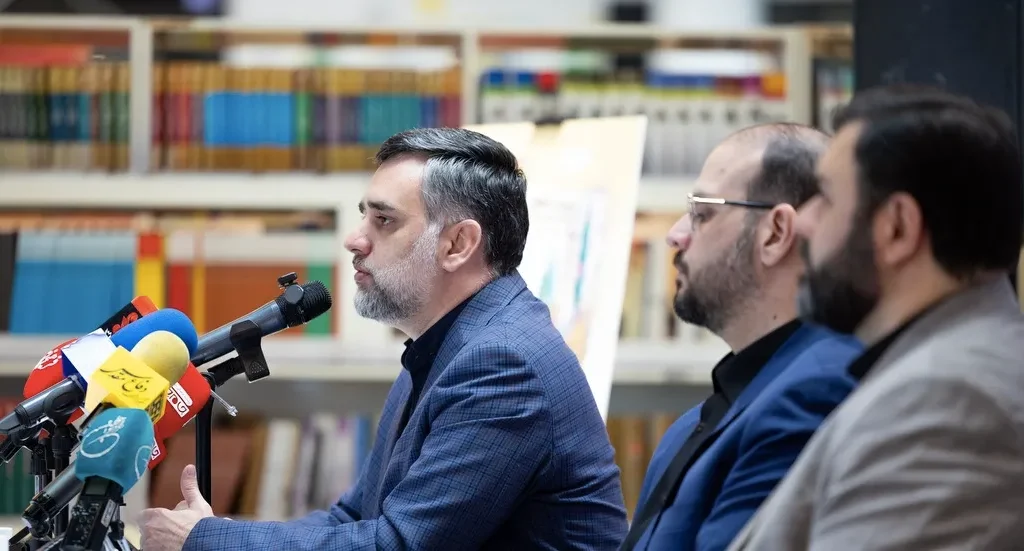
In a press conference dated 12 May 2026, for the “Ordibehesht Ketab (the month of May with Book)” event, Ali Ramezani, CEO of Tehran Book Garden (Bagh-e Ketab), stated that the complex has continuously worked to promote reading culture. He noted that throughout the year, Book Garden welcomes visitors who come to select and purchase books and participate in cultural activities. The organization’s goal has been to make engagement with books a regular cultural experience in people’s daily lives. Expressing appreciation for the presence of media representatives, he added that he hopes cooperation between the media and Tehran’s cultural institutions will continue to grow, allowing cultural activities across the city to receive broader coverage.
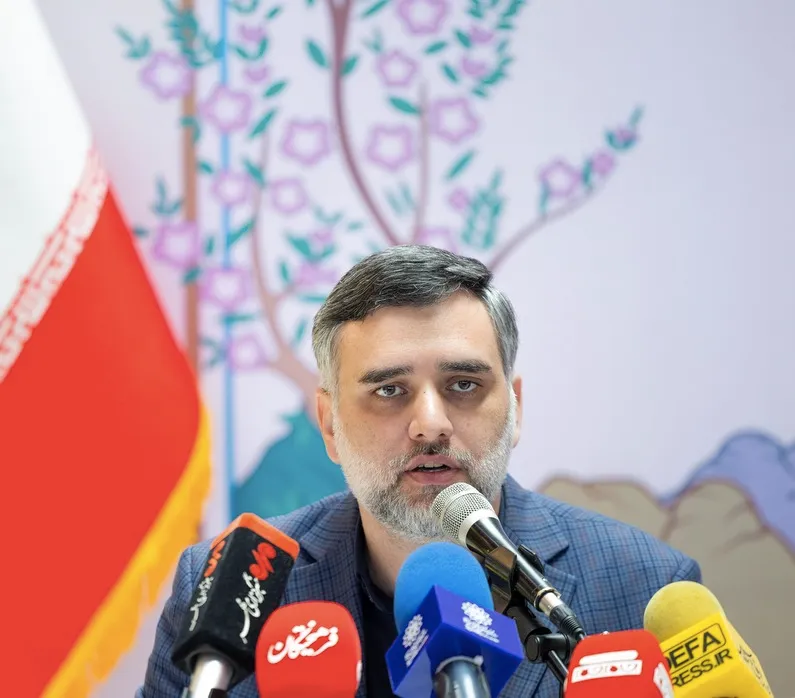
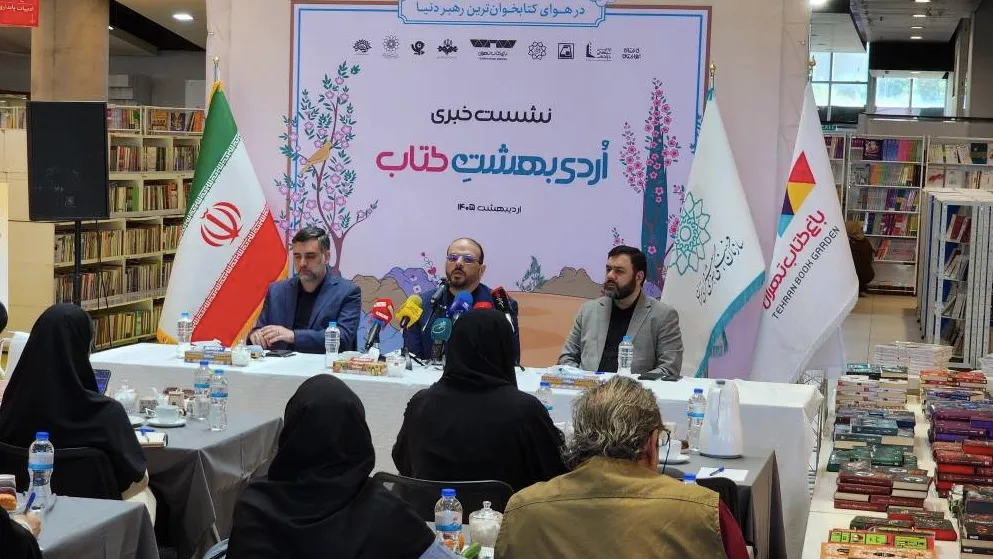
Referring to the origins of Book Garden, Ramazani explained that the project was established based on the Supreme Leader’s emphasis on creating a permanent space for public engagement with books. The idea was first proposed among cultural and municipal managers in 2003 and, after several stages of development, the complex officially opened in 2017. He continued by noting that now, in its ninth year of operation, Tehran Book Garden has become one of the capital’s major cultural and tourist destinations for both Tehran residents and visitors from other cities. During this period, numerous initiatives have been undertaken to expand infrastructure, improve facilities, and renovate various sections of the complex.
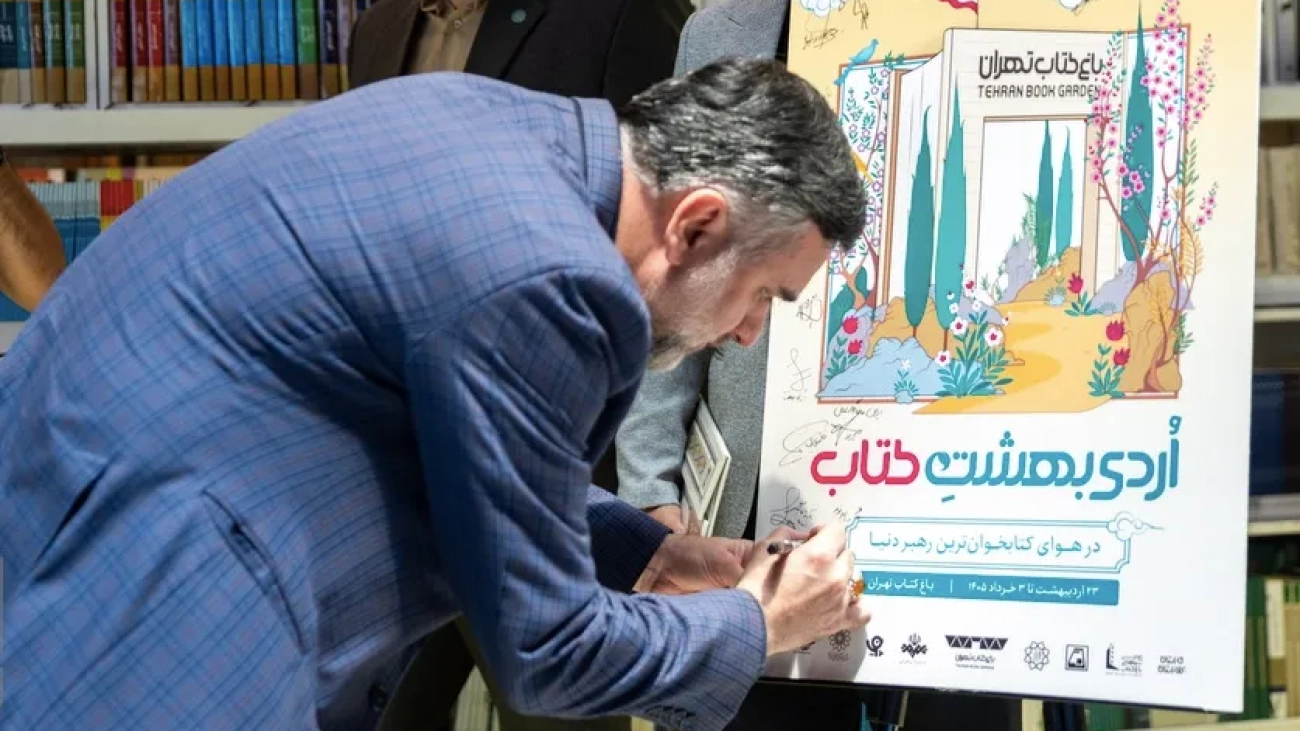
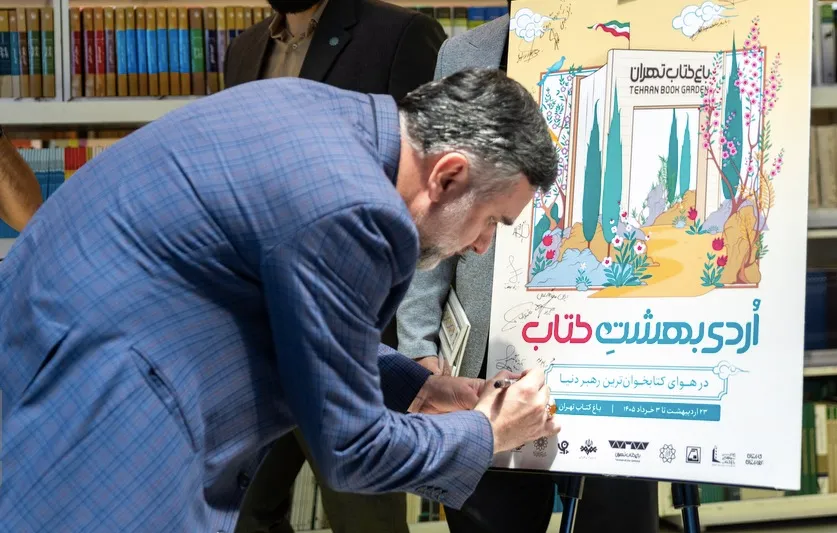
Speaking about the “Ordibehesht Ketab” event, Ramazani said that it is being held under the slogan “In the Atmosphere of the World’s Most Book-Loving Leader.” The event aims to address the needs of Iran’s cultural community and to enrich the book-centered atmosphere traditionally associated with the month of Ordibehesht, a period that has always held special significance for book enthusiasts, writers, and cultural activists.
The event runs from May 13 to May 24, daily from 9:00 a.m. to 10:00 p.m. at Tehran Book Garden. If visitor turnout is high, operating hours may be extended.
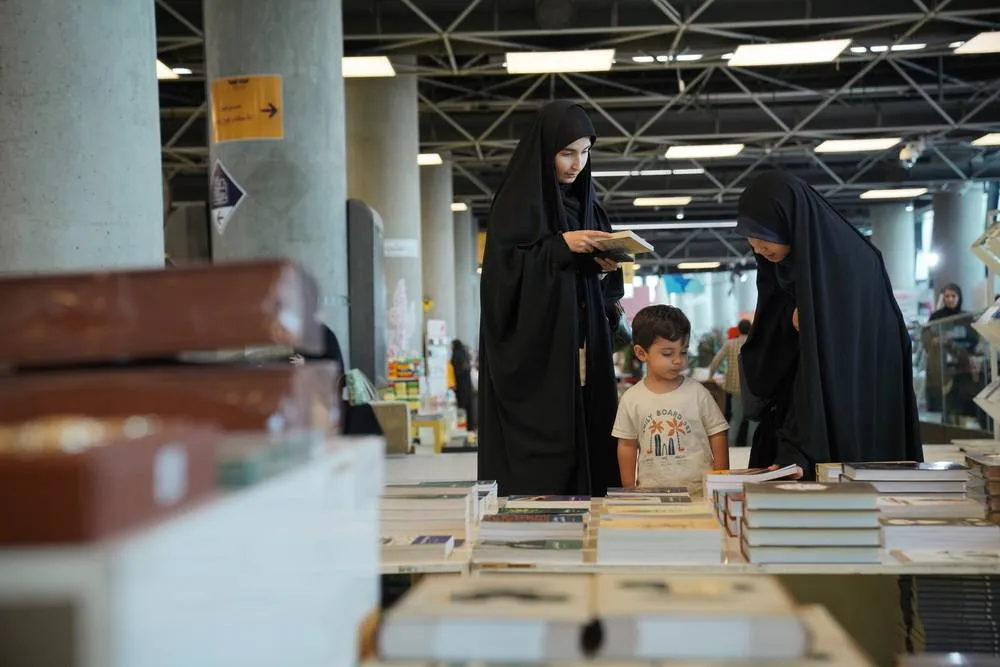
According to Ramezani, the primary goal of the event is to create a cultural and social space where the public and members of the cultural community can gather. Alongside cultural programs, books will be offered with a 15 percent discount, while other services will be available with discounts of at least 10 percent. The event will be held across a 65,000-square-meter area, utilizing all sections of Book Garden, including cinemas, scientific facilities, and cultural spaces, all aligned with the theme of books and reading. Ramezani highlighted the capacity of the complex’s bookstores, stating that approximately 700,000 copies representing nearly 180,000 book titles are available to visitors through its two main bookstores. This inventory will be further expanded during the event. A dedicated section will showcase books related to the Supreme Leader, works recommended by him, and books that have received his written endorsements. Publications addressing current issues and social topics will also be featured.
The event has been designed around three main audiences: children, teenagers, and adults. For children and young people, programs include cultural activities, identity-based games, literary gatherings, and book-centered events. Special programs tailored to contemporary issues have also been developed for teenagers. Five dedicated venues have been allocated for panel discussions, book launches, autograph sessions, and cultural dialogues. Various departments of the Tehran Municipality’s Cultural and Artistic Organization, cultural centers, and specialized reading groups are participating in organizing these programs. Ramezani also announced programs focusing on regional issues and current affairs, including events about the children of Gaza, identity-related themes, and special programs in cooperation with the Islamic Republic of Iran Navy to highlight the strategic importance of the Strait of Hormuz.
In the cinematic section, adaptations of literary works, as well as children’s movies, will be screened at discounted rates. Several special documentaries will also be premiered during the event.
Ramezani stated that writers, poets, and cultural figures will meet with visitors throughout the event. A dedicated podcast section has also been created to provide training and facilitate the production of audio and visual content related to books, including live program production. The Pooya and Nahal television channels will broadcast live daily from Book Garden, while other channels, including Iran’s News Network, will air live or recorded programs from the venue. Various organizations are collaborating in the event, including the Tehran Municipality Cultural and Artistic Organization, the Islamic Republic of Iran Broadcasting (IRIB), the Art Bureau, the Islamic Development Organization, the Beautification Organization, the Tehran Metro Company, the Bus Company, the Urban Services Department, and other municipal entities.
Concluding his remarks, Ramezani emphasized that all necessary coordination has been carried out with traffic police, emergency medical services, the fire department, and other service organizations. Visitors are encouraged to use public transportation whenever possible. Shuttle vans and electric vehicles will be available within the complex to facilitate movement, and if parking areas reach capacity, visitors may use nearby street parking.
Ramezani stated that around 1,000 publishers are involved in the year-round book distribution activities of Book Garden. Some of the publishers joining this year’s event are new participants seeking to become part of the complex’s permanent book distribution network. He added that the retail structure of Book Garden will remain unchanged during the event, and books will continue to be offered according to the complex’s established system. Regarding publicity for the event’s cultural programs, he explained that details of discussion panels, poetry nights, reading sessions, book launches, and other cultural events will be continuously announced through Book Garden’s official communication channels. Additional information will be provided to media outlets in the days leading up to the event.
Story and Novel Editing Workshop
A story and novel editing workshop featuring Mehdi Salehi and Alireza Fattah was held on Wednesday, May 13, from 4:00 PM to 6:00 PM at the Ivan-e Khial (Hall of Imagination).



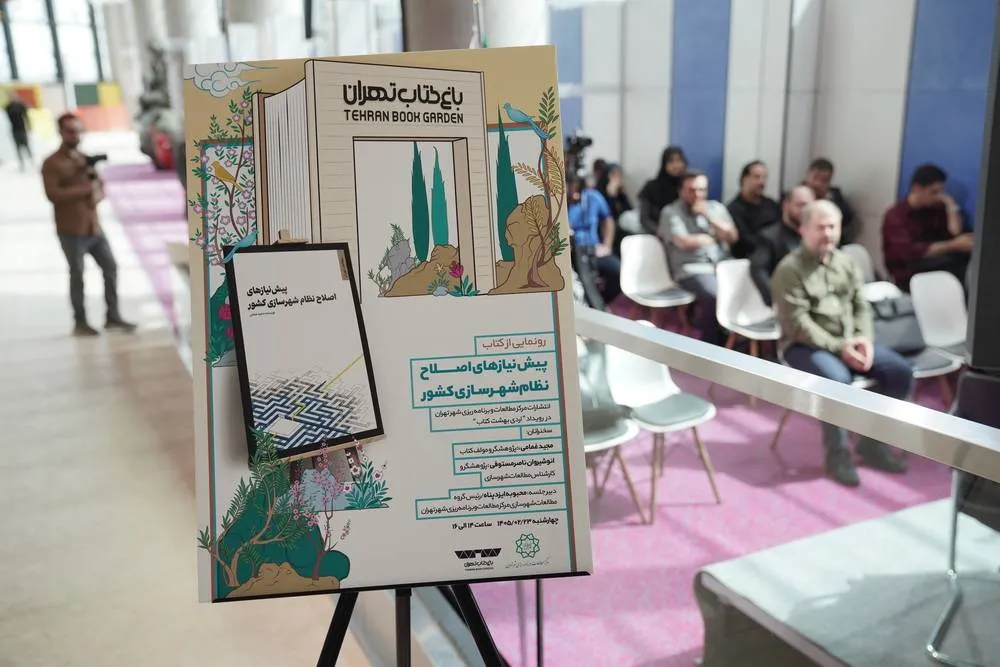
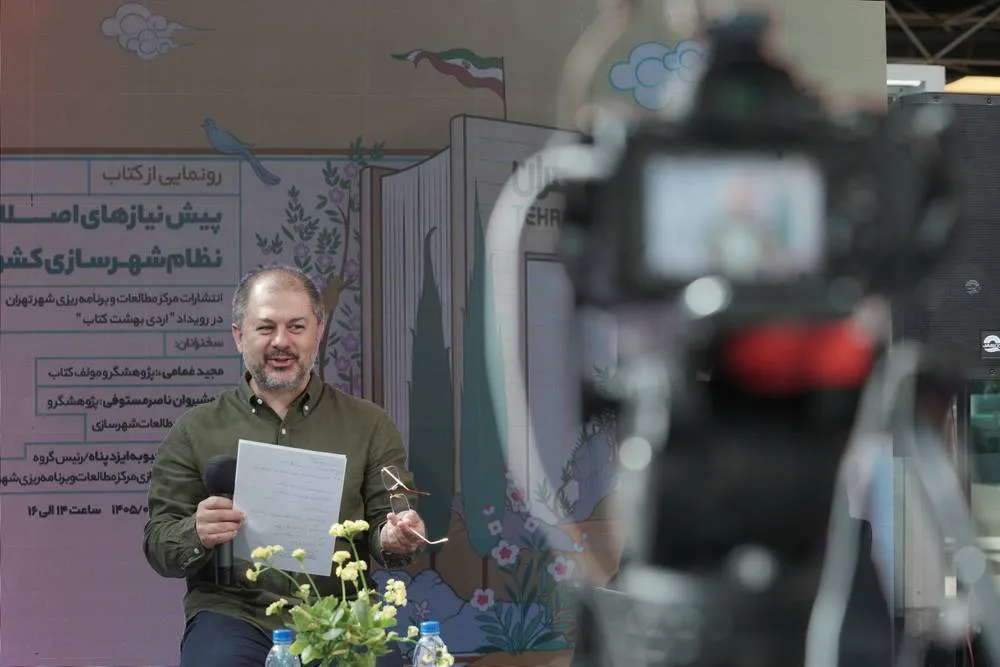
Book Launch Ceremony for Prerequisites for Reforming the National Urban Planning System
The unveiling ceremony of the book Prerequisites for Reforming the National Urban Planning System was held on Wednesday from 2:00 PM to 4:00 PM, with the participation of Anoushirvan Naser Mostofi, Majid Ghamami, and Mahboubeh Izadpanah, at the Ivan-e Khial (Hall of Imagination).
The book primarily argues that the inefficiency of urban development plans in Iran and the challenges associated with them do not stem mainly from the content of the plans themselves. Rather, the components of the planning system—including laws and regulations, responsible organizations and institutions, management and planning hierarchies, and the framework of planning documents—along with certain content-related shortcomings, play a significant role in creating and perpetuating these inefficiencies.



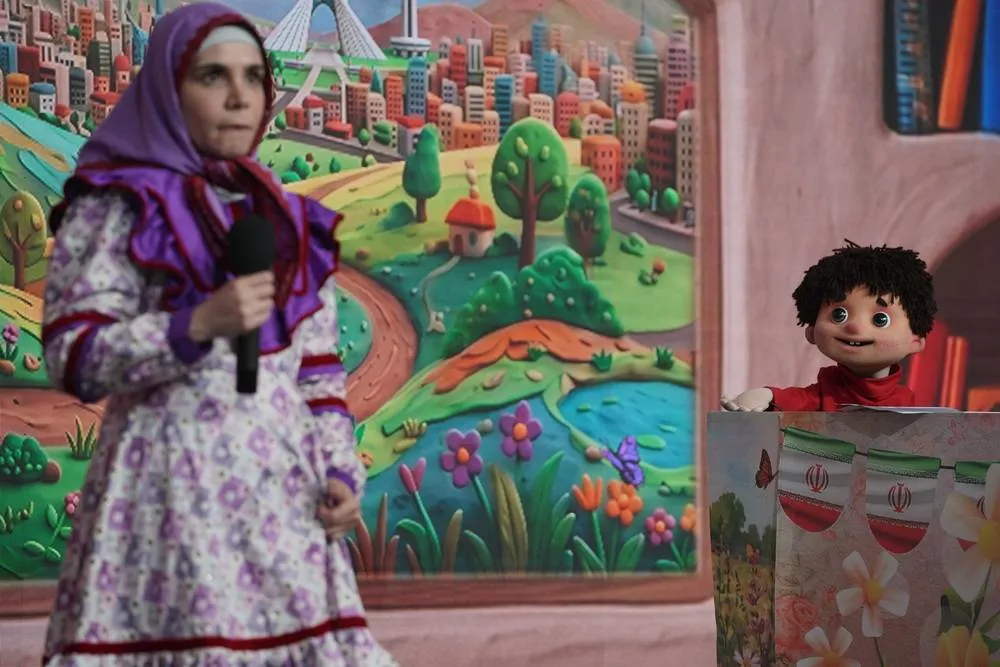
The puppet show featuring Aunt Setareh and Goli
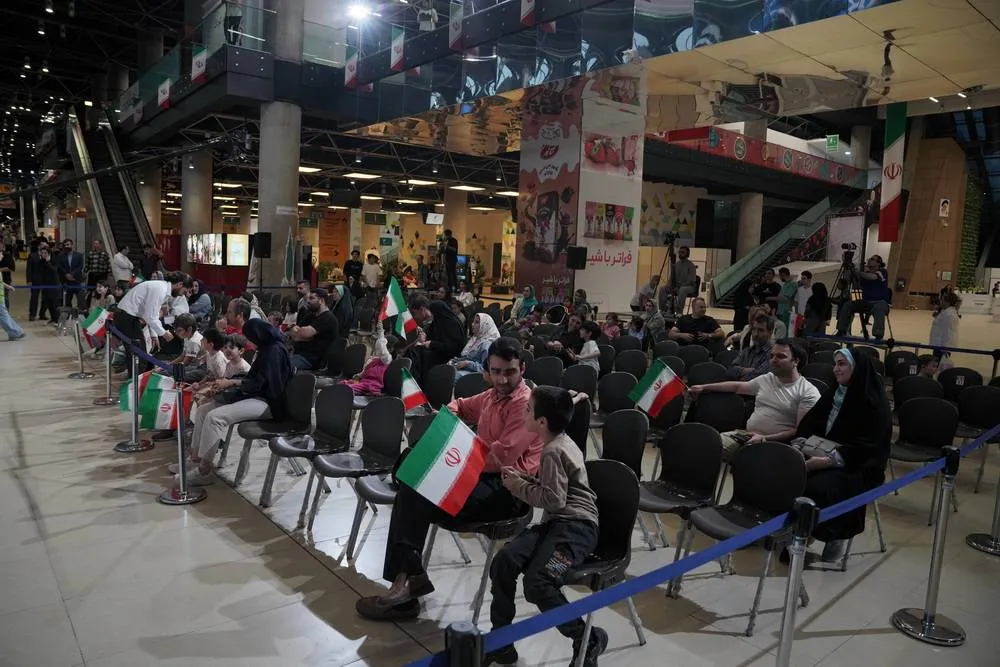
The puppet show featuring Aunt Setareh and Goli was held on Wednesday afternoon at the main courtyard of Tehran Book Garden for children. This popular television program among Iranian children addresses current topics and provides an educational and joyful environment for young audiences. The performance will be broadcast the following day on the Pooya TV channel.


The review session for the film “Emily“
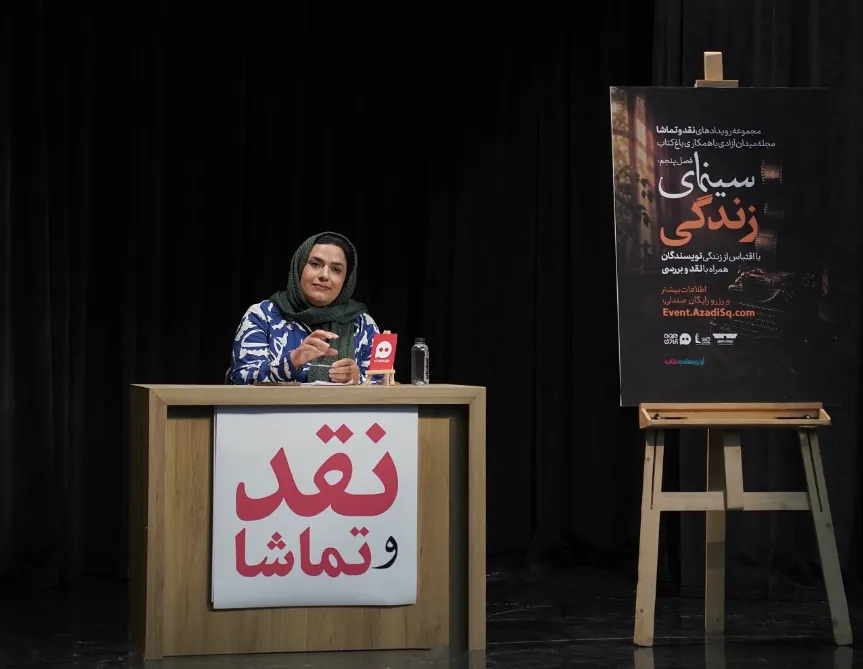
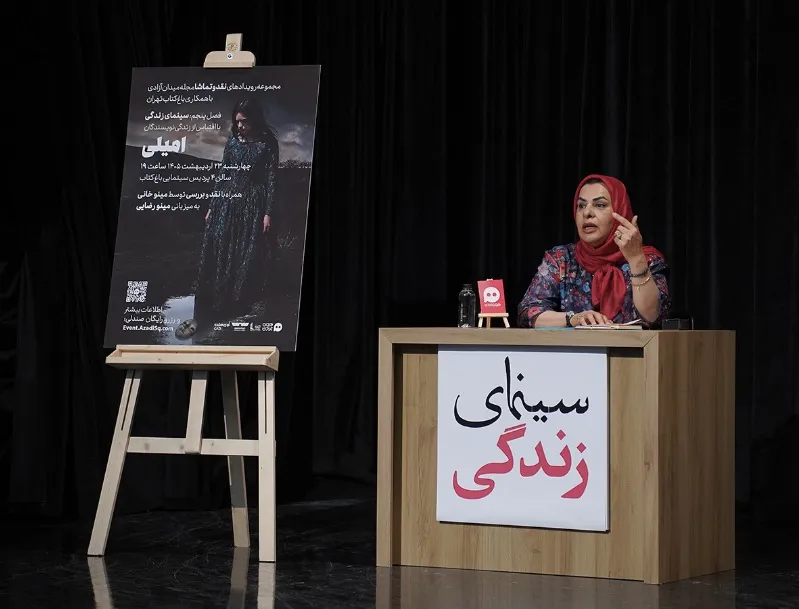
The review session for the film Emily was held on Wednesday, May 13, hosted by Minoo Rezaei and featuring film critic Minoo Khani, with the participation of cinema and literature enthusiasts at Tehran Book Garden. The discussion examined various aspects of the film, its relationship to the life of Emily Brontë, the novel Wuthering Heights, and nineteenth-century England. In the opening screening of the fifth season of the “Watch & Review” event series, titled Cinema of Life, participants gathered to watch and discuss Emily (2022), directed by Frances O’Connor. The event began at 7:00 PM at Tehran Book Garden and was hosted by fiction writer Minoo Rezaei. Following the screening, Dr. Minoo Khani, university professor and film critic, answered questions from the audience.

At the beginning of the session, Rezaei explained that Emily is inspired by the life of Emily Brontë, author of Wuthering Heights, her only novel. She asked whether the film could be viewed and evaluated without prior familiarity with Brontë or her famous work. Khani responded that she had read the novel years ago during her school years and noted that the film functions effectively as an independent work. She explained that the story opens with Charlotte Brontë asking her dying sister Emily how she came to write Wuthering Heights. Through a series of flashbacks, the film reconstructs Emily’s experiences, relationships, and environment, suggesting how these elements contributed to the creation of the novel. According to Khani, viewers do not need to have read Wuthering Heights beforehand to appreciate the film. However, becoming familiar with the film may encourage audiences to learn more about Emily Brontë and her literary legacy. She emphasized that Emily is not an adaptation of Wuthering Heights itself, but rather an adaptation inspired by the life of its author.
Discussing the film’s style and aesthetics, Khani described Emily as a thoroughly English film rooted in the atmosphere of the nineteenth century. She praised the production design, architecture, costumes, and visual environment for successfully recreating the period. Khani also commended director Frances O’Connor, noting that despite this being her directorial debut, her acting background helped her establish a convincing cinematic form. She added that watching the original English-language version with subtitles offers a richer experience than the dubbed version, which cannot fully convey the actors’ performances and emotional nuances.
The discussion then turned to the Brontë family and the social conditions of their era. Khani noted that the film portrays not only Emily Brontë but also her sisters Charlotte and Anne Brontë, as well as their brother Branwell Brontë, all of whom were aspiring writers. She explained that the Brontë sisters, like many women throughout history, struggled to secure recognition in a male-dominated literary world. Initially, they published under male pseudonyms before eventually becoming known under their real names. Khani argued that the film highlights issues of women’s social position and the restrictions imposed upon them. She pointed out that Charlotte often supervised her sisters’ work and even prevented the publication of some of Anne’s writings because she considered their female characters too bold and unconventional. According to Khani, every era interprets the Brontës differently, and contemporary perspectives inevitably shape portrayals of their lives. She described Emily as a film with a feminist approach, emphasizing gender discrimination, social limitations on women, and the restrictive nature of nineteenth-century English society.
Khani further argued that the film reflects broader social realities of nineteenth-century England, including the inequalities intensified by the Industrial Revolution and the significant influence of the Church on everyday life. She cited scenes in which Emily challenges unquestioning faith and seeks intellectual freedom, interpreting them as symbols of resistance to the dominant social and religious structures of the period. According to Khani, these moments help explain Emily’s motivation to write. When asked whether the film identifies a central motivation behind the writing of Wuthering Heights, Khani pointed to a line repeated twice in the film: “Life is about loving and being loved.” She suggested that this theme serves as the emotional foundation for Emily’s creative journey. Through scenes of solitude and writing, the film implies that Emily transformed the emptiness and experiences of her own life into the characters and settings of her novel. Khani further noted that many parallels can be observed between the characters in the film and those in Wuthering Heights, suggesting that Emily drew heavily from her personal experiences.
Responding to another question, Khani observed that just as Wuthering Heights reflects Emily Brontë’s lived experience, Emily also reflects aspects of Frances O’Connor’s own life. She referred to interviews in which O’Connor described growing up in an environment similar to Yorkshire, where Emily lived, and explained that this personal connection motivated her to tell Emily Brontë’s story. Concluding the session, Khani described Emily as a successful adaptation. While acknowledging that O’Connor never intended to create a strictly factual biographical account, she argued that the film successfully captures Emily Brontë’s personality and lived experience. By blending historical reality with imagination, O’Connor created an engaging and emotionally resonant story, making Emily a compelling and effective adaptation. At the end of the event, Minoo Rezaei thanked the audience and announced that the following evening’s screening would feature Hamnet, a film loosely inspired by the life of William Shakespeare. She also invited attendees to visit the Meydan-e Azadi Magazine website to rate the films, submit reviews, and share their opinions.
Some Images from the First Day of the Event